ライブラリー
出典とさらに読むべき文献。
ニカーブに関する書籍、古典的著作、学術研究。それぞれに、何を論じ、どのような点で有用かを短く付記している。
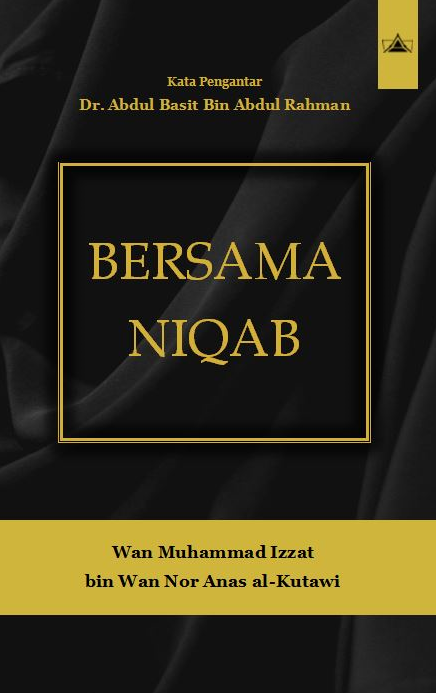
注目の一冊 · Adjung Press
Bersama Niqab
マレー語でBersama Niqabとして出版。約41,500語、脚注483本からなり、ニカーブの意味と歴史、聖典に基づく論証、諸法学派の見解、そして着用にまつわる実践的な問いを扱う。
本サイトはこの著作を要約したものである。出典を伴う完全な論証は書籍本体にある。
この本について他の著作
顔の覆いに関する学術研究。本サイトとは異なる結論に至る著作も含む。掲載した各項目は実在を確認済み。
The Experiences of Face Veil Wearers in Europe and the Law
Empirical research with women who wear the face veil in Belgium and four other European countries, set alongside legal analysis. The strongest single source on what the bans do in practice rather than what they say.
Rethinking Muslim Women and the Veil: Challenging Historical and Modern Stereotypes
A critique of how veiling has been framed in Western scholarship and media, arguing from the perspective of women who choose it.
Veil: Modesty, Privacy and Resistance
An anthropologist’s synthesis of fieldwork with Qurʾān, hadith and tafsīr, arguing that veiling in the Arab world signals privacy, identity and rank rather than shame — and distinguishing carefully between the hijab and the face veil.
The Dutch and the Face-Veil: The Politics of Discomfort
Fieldwork behind the Dutch debate, by the researcher whose government report on face veiling found the practice far rarer than the political argument assumed.
Virtue and Veiling: Perspectives from Ancient to Abbasid Times
Traces veiling from the ancient Near East through the early Abbasid period. Cited in Bersama Niqab’s own footnotes, which makes it one of the few English-language works the author consulted directly.
After the Ban: The Experiences of 35 Women of the French Ban on Face Covering
Thirty-five women interviewed about the effect of the 2011 French law. Eight had stopped wearing the veil — four before the law took effect, four after.
Face-veiled Women in Contemporary Indonesia
Ethnographic fieldwork with Indonesian cadari in Salafi and Tablīghī Jamā‘at circles, arguing their choice to cover the face is an expression of agency rather than its absence.
Wearing the Niqab: Muslim Women in the UK and the US
Interviews and narratives from niqab-wearing women either side of the Atlantic — agency, identity and how they describe being read by strangers.
In Your Face: Law, Justice, and Niqab-Wearing Women in Canada
A law professor’s analysis of Canada’s niqab bans — Quebec’s Bill 21 chief among them — combined with interviews revealing motivations more varied than the political debate allows for. Winner of the Huguenot Society of Canada Award.
The Niqab in France: Between Piety and Subversion
A decade of fieldwork with French Salafi women who wear or once wore the niqab. Finds the 2010 ban did not end the practice so much as turn it, for some, into a mark of resistance.
What Is Veiling?
Not a niqab-only book, but the clearest short account of what separates hijab, niqab and burqa — and of why the Qur’an does not settle the question by itself.
Niqaab: A Seal on the Debate
Argues from hadith that niqab is not obligatory for women generally — the majority position — and works through the terms (khimār, jilbāb, hijāb, niqāb) that get collapsed into one another in casual argument.
Covering the Moon: An Introduction to Middle Eastern Face Veils
A dress historian and a curator survey face veils specifically — not veiling in general — from pre-Islamic origins across regional forms: the Egyptian/Levantine burquʿ, the Iranian rūband, the Gulf battoulah, the Afghan chadari, and the niqab. The clearest single source for why these are not the same garment.
アラビア語文献
ニカーブの問題を主題とした専論——その多くはBersama Niqab自体でも言及されている——であり、ついでに触れる程度の一般的なフィクフ書ではない。顔の覆いのみを主題とした古典期のキターブは存在せず、以下はすべて20世紀または21世紀の著作である。
Ḥijāb al-Mar’ah al-Muslimah fī al-Kitāb wa al-Sunnah
A dedicated study of the face-veil ruling that argues the majority view — face and hands are not ‘awrah — while still concluding niqab is mustaḥabb (recommended), not wājib. Later editions carry the title Jilbāb al-Mar’ah al-Muslimah. Notable for reaching a middle position rather than either extreme.
Al-Radd al-Mufḥim ‘alā Man Khālafa al-‘Ulamā’ wa-Tashaddada wa-Ta‘aṣṣaba
The sequel to the work above, answering al-Albānī’s critics — named in Bersama Niqab as the pair of works through which he became the most prominent Salafi voice for the non-obligation view.
Risālat al-Ḥijāb
The Arabic original behind the Malay translation Hukum Cadar, below. Argues covering the face is obligatory, built from Qur’an, sunnah and qiyās.
‘Awdat al-Ḥijāb
A three-volume treatise on hijab; its third volume is specifically the evidentiary case for covering the face and hands, one of the most extensive such arguments in print.
Al-Ḥijāb fī al-Shar‘ wa-al-Fiṭrah
One of only two earlier pro-niqab works Bersama Niqab singles out as departing from the genre’s shared approach — and the source of the ṭawāf-era argument that the woman in the ḥadīth of al-Faḍl was an enslaved woman.
Kashf al-Asrār ‘an al-Qawl al-Talīd fī-mā li-Ḥaqqi Mas’alah al-Ḥijāb min Taḥrīf wa-Tabdīl wa-Taṣḥīf
The second of the two exceptions Bersama Niqab names — a study of how the hijab question itself has been distorted, altered and miscopied in transmission.
Al-Ḥijāb: Adillah al-Mūjibīn wa-Shubah al-Mukhālifīn
The obligation case and the objections to it, set out side by side — published standalone and as a chapter of his encyclopedia of women’s fiqh. Cited in Bersama Niqab’s survey of contemporary scholars.
Al-Ḥijāb
A book on hijab in general with a dedicated chapter on Muslim women’s dress, defending the obligation of covering the face; Bersama Niqab records the same position restated in his Tafsīr Sūrah al-Nūr.
Ilā Kulli Fatāh Tu’minu bi-Allāh
A short treatise on hijab addressed to young Muslim women, supporting the view that covering the face is required — the dedicated companion to the position al-Būṭī shows in Fiqh al-Sīrah.
Ḥijāb al-Mar’ah
An essay, not a monograph, but included because Bersama Niqab cites it directly: al-Kawtharī reads the jilbāb verse as requiring the cloth drawn to the eyes, from above and below.
マレー語・インドネシア語
マレーシアとインドネシアで実際に交わされている論争の両側面——英語版の議論だけではない。
Hukum Cadar
Berhujah wajib memakai cadar berdasarkan dalil al-Quran, sunnah dan qiyas — pendirian sebahagian ulama Salafi kontemporari.
Wanita Wajib Berpurdah
Terjemahan karya asal Arab Saudi yang berhujah muka dan tapak tangan wanita adalah aurat di hadapan lelaki ajnabi.
Jilbab Yes, Niqob No
Berhujah niqab bukan ajaran teras Islam sebaliknya amalan yang berkembang kemudian — menegaskan kewajipan menutup aurat tetapi menolak paksaan memakai niqab.
Cadar: Adat atau Syariat?
Mengumpul pandangan ulama Mesir — termasuk fatwa Dar al-Ifta — yang berhujah cadar adalah adat, bukan syariat yang diwajibkan.
Rahasia di Balik Wanita Bercadar
Berhujah asas cadar ada pada al-Quran, hadis, dan amalan isteri-isteri serta sahabat Nabi — menolak dakwaan ia sekadar budaya Arab.
Jawapan Terbuka
Karya pertama pengarang Bersama Niqab dalam subjek ini — kritikan ke atas artikel yang mempertikaikan pendapat mewajibkan niqab. Bersama Niqab sendiri merekodkan buku ini "mempunyai banyak ralat" yang membawa kepada kajian semula menyeluruh; ia disenaraikan di sini sebagai sejarah, bukan rujukan semasa.
Kitab Alam Perempuan
Dari pihak yang menentang: mengandungi bab khusus "Kelumbung Perempuan pada Agama" yang menolak amalan berkelumbung seluruh tubuh termasuk muka. Bersama Niqab memetiknya sebagai bukti bahawa amalan itu memang wujud di Tanah Melayu — penentangan itu sendiri menjadi bukti sejarah.